The Fault Was There in the Data Three Shifts Ago: What private AI can do for Northern Ireland manufacturers spending more time chasing quality failures than preventing them
Most quality failures leave a trail. The problem is that trail is spread across three systems, two spreadsheets and a paper logbook nobody has time to read until something has already gone wrong.
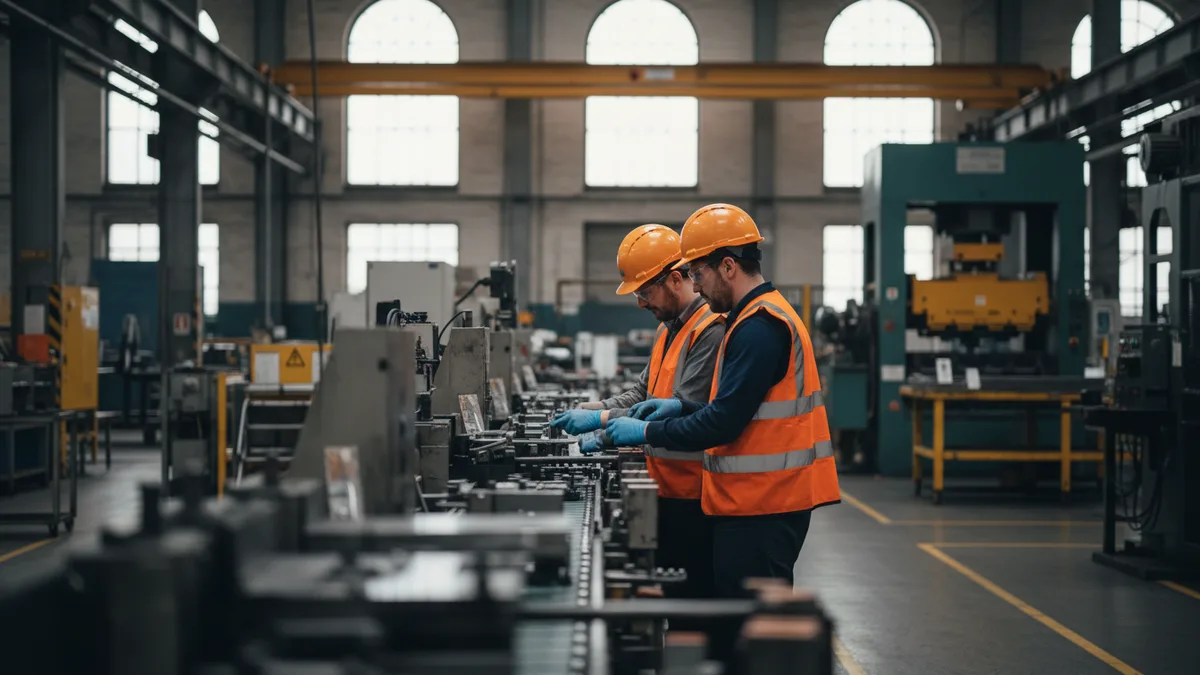
There is a reject pile on a production line somewhere in County Antrim right now. Or a rework queue in Newry. Or a customer complaint sitting in an inbox in Londonderry that is about to become a credit note and a difficult phone call. The quality manager will investigate. They will pull the batch records, check the shift log, cross-reference the supplier certificate and look at the machine settings. Most of that information exists somewhere. Getting it together will take the best part of a morning, and by the time the picture is clear, two more shifts will have run.
That is not a people problem. The quality manager is competent. The operators are experienced. The data is actually there. The problem is that the data lives in four or five different places, none of which talk to each other, and nobody has the time or the tools to read across all of them in real time. Private AI does not replace the quality manager. What it does is give them a system that reads across all of that data continuously, flags patterns early and surfaces the right information in seconds rather than hours.
What the reject pile is actually telling you
Every manufacturer tracks rejects and reworks to some degree. The numbers go into a spreadsheet, or a quality management system, or sometimes a paper log that gets transcribed later. What rarely happens is any automatic connection between those numbers and the upstream variables that drove them: the supplier batch that came in on Monday, the ambient temperature in the store on Tuesday night, the machine that had a bearing replaced last week, the new operator who started on the line three days ago.
Each of those data points sits somewhere. The bearing replacement is in the maintenance system. The supplier batch number is on a goods-in certificate, possibly scanned and saved as a PDF, possibly still paper. The temperature might be in a building management system or it might be in nobody's system at all. The operator assignment is in a rota spreadsheet. None of these sources are talking to the quality data. So when the reject rate climbs, the investigation starts from scratch every single time.
A private AI system, connected to those sources and running inside your own infrastructure, can hold all of that context and look for correlations you would never have the bandwidth to find manually. That is not a futuristic proposition. It is a practical one, and manufacturers in Northern Ireland are already sitting on enough data to make it work.
Why this matters for Northern Ireland specifically
Manufacturing still accounts for a significant share of the Northern Ireland economy. The food and drink sector alone is the largest manufacturing segment, and beyond that there is precision engineering, aerospace supply chain work, building products, plastics and packaging. A lot of these businesses are SMEs supplying larger customers, and those customers have audit requirements, traceability obligations and quality standards that are only getting stricter.
The pressure is real and it is specific. A food manufacturer supplying a major retailer through Centra or Supervalu has a very short window to respond to a quality query before it becomes a listing conversation. A precision engineering firm supplying into aerospace or defence has documentation requirements that demand a full audit trail at short notice. A packaging business working with pharmaceutical clients cannot afford a batch failure to sit undetected for a shift and a half.
At the same time, most of these businesses cannot justify a team of data analysts. They have a quality manager, maybe a quality technician, and a set of systems that were bought at different times and never properly integrated. That gap between the data they have and the insight they can extract from it is exactly where private AI earns its keep.
The systems that already exist and the gap between them
Walk around most Northern Ireland manufacturing sites and you will find the same landscape. There is an ERP or an MRP system, often something like Sage, SAP Business One or a sector-specific package. There is a quality management system, or a quality module bolted onto the ERP, or a set of spreadsheets that serve the same purpose. There are supplier documents: certificates of conformance, delivery notes, spec sheets, most of them arriving as PDFs or emails. There is a maintenance log, sometimes in a dedicated system, sometimes in a shared drive. There are shift handover notes, sometimes typed, sometimes handwritten.
Each of those sources holds information that is relevant to quality. None of them were designed to work together. The ERP knows what went into the batch. The quality system knows what came out. The maintenance log knows what happened to the machine in between. Connecting them manually is a project nobody has time for. Connecting them through a private AI platform, with integrations built to your specific setup, is a different kind of project entirely, one that can be scoped, costed and delivered in stages.
The key word is private. Supplier certificates contain commercially sensitive pricing. Batch records contain formulations and process parameters you would not want outside the business. Shift notes might contain observations about specific customers or contracts. None of that should go anywhere near a public AI tool. It stays inside your infrastructure, processed by a system that belongs to you.
What a working system actually looks like day to day
The practical version of this is less dramatic than it sounds. A quality manager starts their shift and instead of opening four systems and two spreadsheets, they open a single interface that has already read across all of them. It shows the overnight reject rate by line, flags any supplier batch that has appeared in more than one recent failure, and surfaces the three shift notes that mentioned the same machine issue. None of that required a data scientist. It required a system configured to read the sources that already exist and present the relevant information clearly.
When a customer query comes in about a batch from six weeks ago, the answer is not a two-hour investigation. The AI has already indexed the batch records, the goods-in documentation, the process parameters and the QC sign-off. The quality manager types a question in plain language and gets a summary with the source documents attached. They can respond to the customer the same day.
Over time, the system builds a picture of which variables correlate with quality problems in your specific process. That is not generic machine learning applied to someone else's data. It is a model trained on your production history, your suppliers, your equipment and your product range. The insights it produces are specific to your site, and they stay on your site.
Where to start without turning it into a programme
The instinct when you hear about connecting multiple systems is to imagine a long, expensive IT project. It does not have to be that. The most sensible starting point is a single process where the cost of failure is clear and the data already exists in some form.
For many manufacturers that is incoming goods inspection. Supplier quality problems are often the biggest single driver of production failures, and the data trail is usually there: certificates of conformance, previous batch results, any complaints raised against a supplier. Building an AI application that indexes all of that, flags anomalies on incoming batches and gives the goods-in team a searchable record is a contained, measurable piece of work. You can see the impact in reduced rework rates and faster supplier queries within weeks of going live.
From there, the same platform can be extended. Connect the maintenance records. Connect the shift logs. Connect the customer complaints data. Each connection adds more context to the quality picture without requiring a big bang replacement of the systems you already have. That is how a managed AI engagement works in practice: one application first, measured, then extended as the value becomes clear.
The question worth asking before the next reject pile grows
Most quality failures are not random. They have causes, and those causes usually left traces in the data before the failure happened. The honest question for any manufacturing business is whether the systems and processes in place are capable of reading those traces in time to act, or whether the investigation always happens after the damage is done.
For a lot of Northern Ireland manufacturers, the answer is the second one, not because they are behind the curve, but because the tools available until recently made real-time cross-system analysis impractical without significant IT investment. That has changed. A private AI platform installed inside your own infrastructure, connected to the systems you already run, and configured around your specific quality process is now a realistic option for an SME. It does not require replacing your ERP. It does not require a data team. It requires a clear starting point and a provider who understands manufacturing operations rather than just technology.
The data is already there. The question is whether it is working for you or just sitting in a folder waiting for the next investigation.
Could your quality data be doing more work?
If your rejects, reworks or customer complaints feel like they come out of nowhere, a free 30-minute conversation with Verona AI might change that view. We build private AI on your own production data, so nothing leaves your business.
Book a free consultationMore from the Verona AI blog
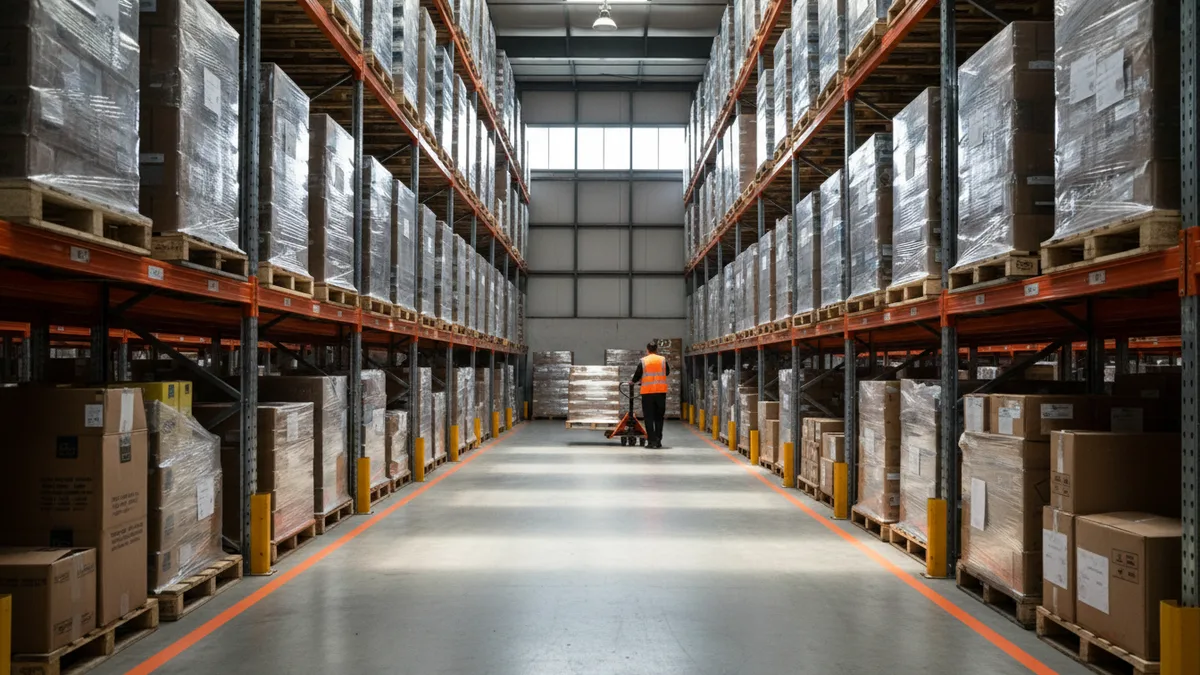
The Order Came In Three Ways and None of Them Matched: What private AI can do for Northern Ireland wholesalers and distributors buried under orders, pricing queries and stock questions that arrive by phone, email and spreadsheet every single day
Northern Ireland wholesalers are drowning in manual order processing and disconnected data. Private AI can change that without exposing your commercial data.
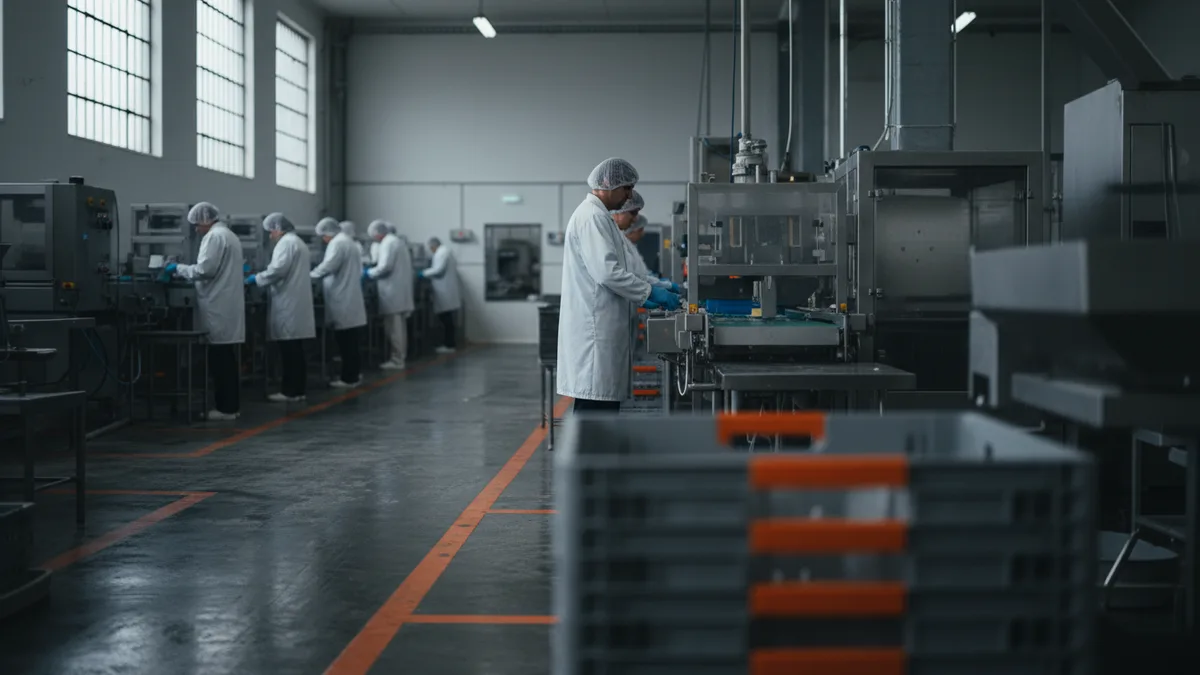
The Audit Is Tomorrow and the Records Are Everywhere: What private AI can do for Northern Ireland food producers and agri-food businesses buried under traceability paperwork, supplier documents and compliance records they can never find fast enough
Northern Ireland food producers face relentless compliance pressure. Private AI can connect your traceability records, supplier docs and audit trails in one searchable system.
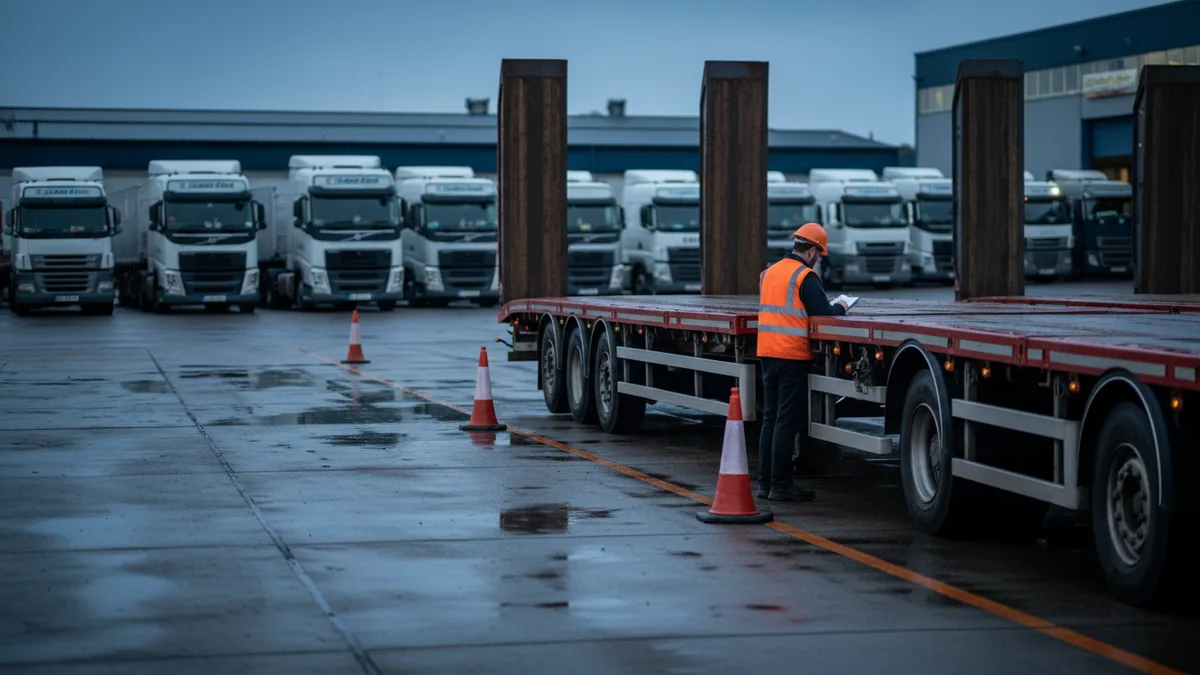
The Load Is Moving but the Data Is Standing Still: What private AI can do for Northern Ireland hauliers, fleet operators and transport managers buried under driver paperwork, compliance files and margin-eating inefficiencies
Northern Ireland hauliers and fleet operators are sitting on data that could cut costs and admin. Private AI can connect it without exposing your business to public tools.