Full House, Empty Filing Cabinet: What private AI can do for Northern Ireland hotels, venues and visitor attractions still running on spreadsheets and staff memory
Northern Ireland hospitality is booming, from the Causeway Coast to Belfast city centre. The businesses that will hold onto their margins are the ones that stop running on gut feel and start running on their own data.
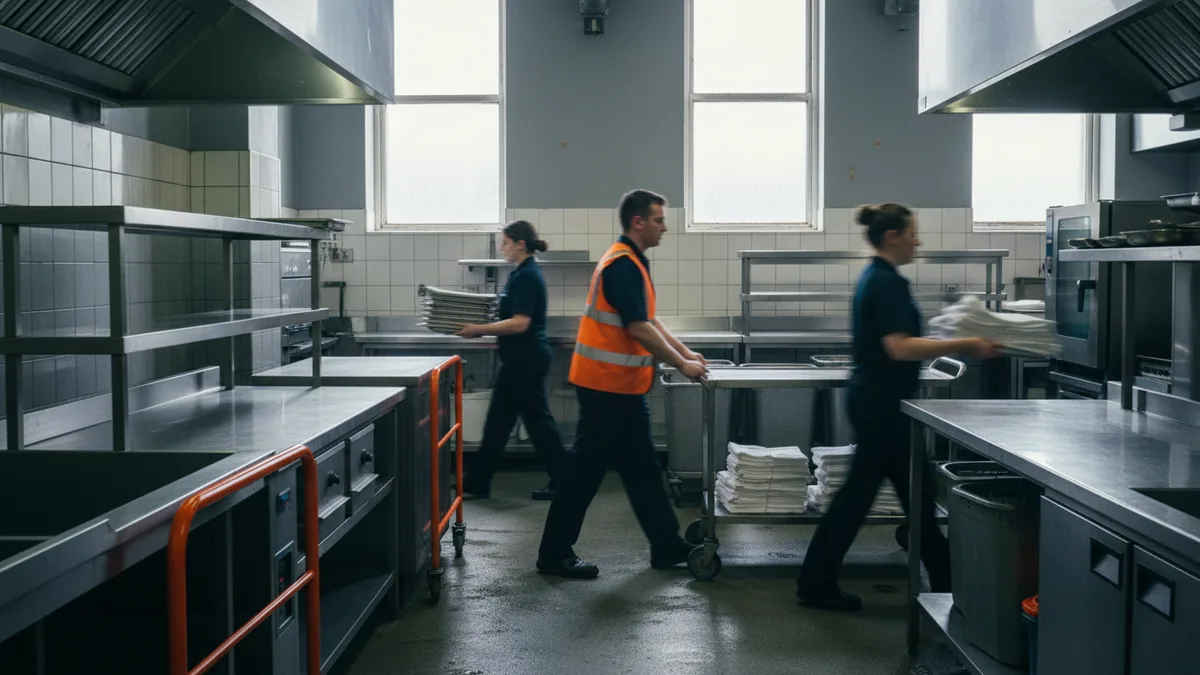
There is a particular kind of exhaustion that runs through a well-managed hotel or visitor attraction in Northern Ireland. The rooms are full, the reviews are good, the team is working flat out, and yet the margins are thinner than they should be. Somewhere between the booking platform fees, the last-minute no-shows, the rota that took three hours to build on a Friday afternoon, and the supplier invoice that nobody queried in time, the money quietly disappears. The operation looks healthy from the outside. Inside, it is running on memory, habit and spreadsheets that only one person really understands.
That picture is familiar across hospitality here, from a sixty-room hotel outside Enniskillen to a busy visitor attraction on the north coast, from a wedding venue in County Down to a hostel group in Belfast. The businesses are different but the pressure is the same: not enough time, not enough visibility, and data that exists in a dozen places but never quite talks to itself. AI does not fix every problem in hospitality, but applied carefully to the right processes, it can give managers their time back and stop a lot of the quiet margin bleed.
Why this matters for Northern Ireland specifically
Northern Ireland tourism has had a genuinely strong run. Visitor numbers have grown, the Giants Causeway and the Titanic Quarter draw international traffic, and the food and drink scene has given the region a credibility it lacked fifteen years ago. But the hospitality businesses serving all of that demand are, for the most part, small and medium-sized operations with tight staffing, seasonal swings and very little capacity to absorb waste.
The challenge is not ambition. It is infrastructure. Most of these businesses are sitting on years of booking data, guest correspondence, supplier contracts, event records and staff rotas, spread across a property management system, a couple of email inboxes, some shared folders and a whiteboard in the back office. Nobody has ever pulled it together in one place because nobody has had the time. And because it is never in one place, the decisions that should be data-driven end up being instinct-driven instead.
There is also a real concern in this sector about where data goes. Guest information is sensitive. Pricing strategy is commercially confidential. The idea of feeding any of that into a public AI tool is not appealing, and rightly so. A private AI system, installed inside the business and connected only to the systems the business already controls, changes that calculation entirely.
The admin that eats the day
Ask any duty manager or operations lead in a Northern Ireland hotel what they actually spend their time on, and the answer is rarely the thing they were hired to do. It is chasing confirmation emails, updating the function sheet after a client changes their mind for the fourth time, reconciling the till reports at the end of the week, pulling together the occupancy summary for the owner, and answering the same three questions from staff that are already answered somewhere in a document nobody can find.
This is exactly the kind of work that AI handles well. Not because it is simple, but because it is repetitive and document-heavy. An AI system connected to your inbox, your property management system and your shared drive can draft the confirmation, flag the discrepancy in the till report, generate the occupancy summary automatically and answer staff queries by searching across your own internal documents. The duty manager still makes the decisions. They just stop spending ninety minutes a day on the groundwork those decisions require.
Bookings, pricing and the revenue you are leaving behind
Revenue management in hospitality is one of those disciplines that every business knows it should do properly and almost none of them do, because doing it properly requires time and data that the team does not have spare. The result is pricing that is either static, copied from last year with a small uplift, or reactive, changed only when occupancy looks worrying the week before.
A private AI system trained on your own historical booking data, combined with local event calendars and your own cancellation patterns, can surface patterns that are genuinely useful. It might show you that a particular room type fills two weeks out when there is a GAA match in Clones, or that corporate midweek bookings in autumn have a much lower cancellation rate than the leisure weekend traffic you have been prioritising. It does not replace the judgement of a good revenue manager, but it gives whoever is making the pricing decisions something better than a hunch to work from, and it does it using your data, not a generic industry model.
Guest experience and the knowledge that walks out the door
One of the less-discussed costs in Northern Ireland hospitality is staff turnover. It is high across the sector, and every time a front-of-house manager or senior chef leaves, a significant amount of institutional knowledge goes with them. The regular guest who always wants extra pillows and a quiet room away from the lift. The corporate client whose PA sends a specific rooming list format. The supplier who needs three weeks notice for a particular product. None of this is written down anywhere, because the person who knew it was always there to remember it.
An AI system that is connected to your CRM, your booking history and your email correspondence can build a searchable record of exactly this kind of detail. It is not surveillance. It is documentation, the kind that good businesses have always tried to maintain but rarely managed to keep current. When the new front-of-house manager starts on a Monday morning, they can ask a question and get an answer drawn from years of real guest history, rather than spending their first three months rediscovering things the previous person already knew.
Where to start if you run a hospitality or tourism business
The temptation with any technology project is to scope it too broadly. A full AI transformation of a hotel operation is not where anyone should begin. The better question is: which single process is costing us the most time or the most money right now, and does it involve documents, data or repetitive communication?
For most Northern Ireland hospitality businesses, the honest answer to that question points to one of three things. Either it is the reporting, the weekly and monthly summaries that someone is building manually from several different sources. Or it is the guest and event communications, the confirmations, the function sheets, the follow-up emails that eat hours every week. Or it is the knowledge problem, the fact that information lives in people rather than systems and that creates fragility every time someone leaves or goes on holiday. Any one of those is a reasonable starting point. You do not need to solve all three at once. You need to solve one, see the result, and build from there.
Verona runs an AI Discovery engagement before any implementation work begins. It is a paid audit that maps your actual data, your current systems and your biggest process pain points, and produces a costed, ranked plan for what to do first. There are no generic recommendations and no strategy decks that gather dust. The output is a specific plan for your specific business, built on what you already have.
Want to see what your own data could do?
Book a free 30-minute conversation with Verona AI. We will show you how a private AI built on your own bookings, guest records and operational data could work inside your business, without any of it leaving your walls.
Book a free consultationMore from the Verona AI blog

When the Line Stops, the Clock Starts: What private AI can do for Northern Ireland manufacturers who are still catching defects after the damage is done
Northern Ireland manufacturers are losing time and margin to slow defect detection and paper-heavy QC. Private AI can change that without touching public tools.

Know What You Have, Know What You Need and Stop Losing Margin to a Warehouse That Runs on Memory and Missed Orders: Practical AI tools Northern Ireland wholesalers and distributors can put to work right now
Northern Ireland wholesalers losing margin to slow order processing and stock guesswork. Private AI fixes that. Your data, your systems, no public tools.
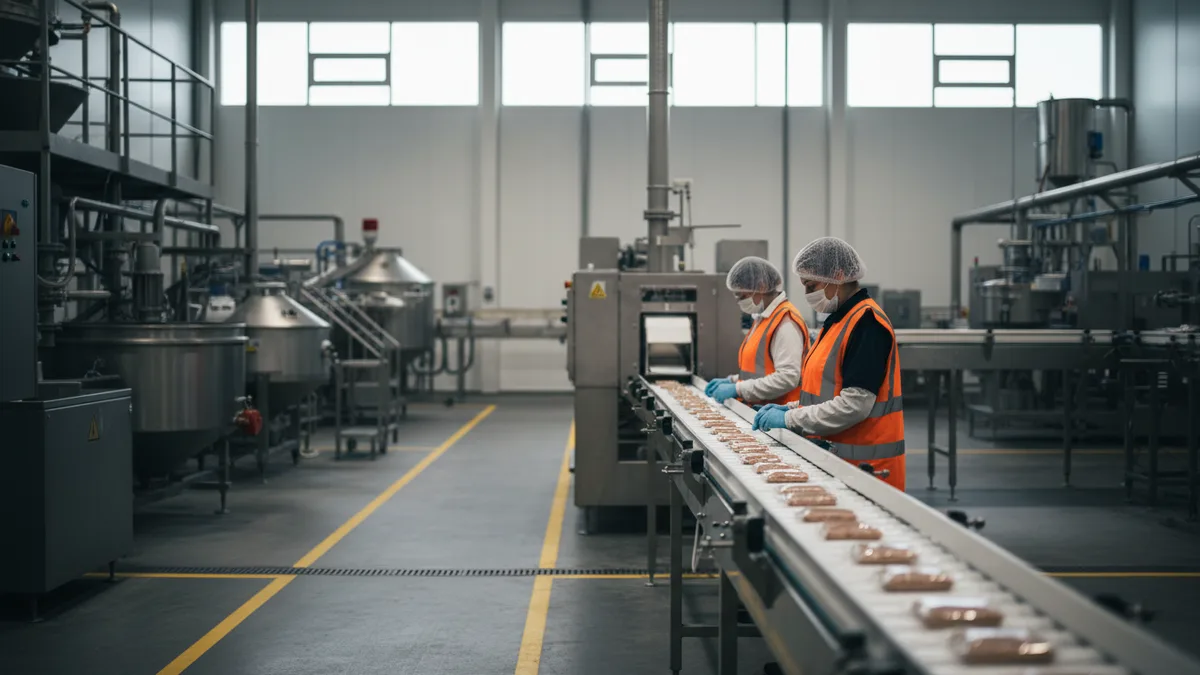
From Farm Gate to Shelf Life, Stop Losing Margin to a Food Business That Runs on Paperwork and Tribal Knowledge: Practical AI tools Northern Ireland food producers, processors and agri-food managers can put to work right now
Northern Ireland food and agri-food businesses are losing margin to manual paperwork and disconnected data. Here is how private AI changes that.